Bodywork: The Blackletter Font with a Modern, Groovy Soul
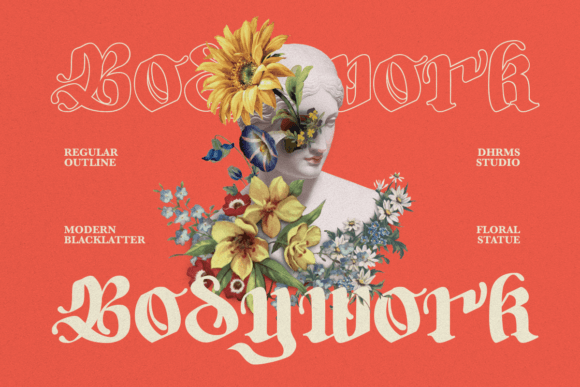
Blackletter fonts often conjure images of ancient manuscripts, gothic cathedrals, and formal certificates. They carry a weight of history, tradition, and sometimes, a touch of severity. But what happens when that historic structure collides with the fluid, organic energy of the 1970s? You get Bodywork, a premium font that rewrites the rules. It takes the foundational strokes of blackletter script and infuses them with a groovy, modern sensibility and curves inspired by flower petals. This isn't your ancestor's typeface. It's a creative font built for today's designers, entrepreneurs, and creators who need to make a bold, yet approachable, statement.
A Typeface Where Tradition Meets Organic Flow
At its core, Bodywork is a study in contrasts. The vertical structure and condensed proportions nod to traditional blackletter styles, giving it an inherent sense of strength and presence. This foundation ensures it commands attention in headlines and logos. However, the magic lies in its details. Instead of sharp, angular terminals, Bodywork features soft, rounded endings that mimic the gentle curves of a flower petal. The strokes have a subtle, almost hand-drawn quality, introducing a warmth and humanity that typical blackletter fonts lack. This fusion creates a unique personality: it feels both established and fresh, authoritative and friendly. It’s a modern typography piece that bridges eras, making it suitable for projects that aim to feel timeless yet contemporary.
Where Bodywork Truly Shines: Real-World Applications
Understanding a font's character is one thing; knowing where to deploy it is another. Bodywork's versatile nature makes it a valuable asset across a surprising range of projects. Its primary strength lies in applications where a strong visual identity is paramount.
- Branding and Logo Design: This is where Bodywork excels. For brands in the craft beverage, artisan food, boutique fashion, or music industries, it offers a perfect blend of authenticity and edge. A logo set in Bodywork instantly communicates a brand that values craftsmanship but isn't afraid of a modern twist. It’s a fantastic choice for creating a memorable brand identity that stands out on packaging, merchandise, and social media.
- Editorial and Cover Design: Book covers, magazine mastheads, and editorial headlines are prime territory. Bodywork can set the tone for a novel with a historical or rebellious theme, or give a lifestyle magazine a striking, fashion-forward header. Its display font nature ensures it works best at larger sizes where its intricate petal-like details can be fully appreciated.
- Apparel and Product Packaging: Think t-shirt graphics, hat embroidery, or label designs for a craft brewery. Bodywork injects personality into merchandise. For packaging design, it helps products pop on a crowded shelf, suggesting a product with character and a story behind it.
- Digital and Social Media: In the fast-scrolling world of social media, grabbing attention is critical. Using Bodywork for key headlines or profile graphics on platforms like Instagram or Pinterest can stop the scroll. It’s also effective for impactful web design elements, such as hero text or section headers, provided it's paired with a highly readable serif font or sans serif font for body copy.
The Strategic Impact of Choosing Bodywork
Choosing a typeface is a strategic design decision that influences far more than just aesthetics. Selecting Bodywork for a project sends specific signals about brand perception and audience engagement. Its blackletter roots lend a sense of history, depth, and seriousness, while its groovy, curved modifications make it feel accessible, creative, and less formal. This duality allows it to attract a demographic that appreciates both tradition and innovation.
Using a distinctive font like Bodywork consistently across touchpoints builds powerful brand recognition. When a customer sees those unique petal curves on a logo, a website header, and product packaging, it creates a cohesive and professional impression. However, this power comes with responsibility. As a display font, readability at small sizes or in long paragraphs is not its purpose. Overusing it can overwhelm a layout and hinder communication. The key is to use it strategically for impact—headlines, logos, pull quotes—and pair it with a clean, legible typeface for body text. This establishes a clear visual hierarchy, guiding the reader's eye and making your design both beautiful and functional.
Practical Guidance for Working with Bodywork
Before integrating Bodywork into your workflow, a practical evaluation is essential. Here’s how to approach it like a seasoned professional:
- Evaluate the Project Fit: Does your project’s tone align with Bodywork’s personality? It’s ideal for projects seeking a blend of heritage, creativity, and boldness. For corporate, legal, or highly minimalist tech brands, a different typeface family might be more appropriate.
- Test Font Pairings: The success of Bodywork often hinges on its companion. Pair it with a neutral sans serif font like Helvetica or a classic serif font like Garamond for body text. The contrast will let Bodywork’s headline power shine without causing visual clutter. Experiment with different pairings to see what feels right for your specific design.
- Review Included Styles and Glyphs: Does the font family include alternates, ligatures, or stylistic sets? These additional design assets can add uniqueness to your typography, allowing you to customize the look for different applications. Check the license details as well—ensure the commercial font license covers your intended use, whether for a client project, merchandise, or digital products.
- Conduct a Readability Test: Always test Bodywork in context. View it at the intended size on screen and in print. How does it look on a mobile device? Is the letter spacing (tracking) comfortable? A quick test can save you from a design that looks great in theory but fails in practice.
Ultimately, Bodywork is more than just a creative font; it’s a design tool with a distinct point of view. It offers a fresh take on a classic style, providing designers and creators with a powerful way to inject personality, authenticity, and a touch of groovy modernity into their work. When used thoughtfully, it can elevate a project from ordinary to unforgettable, helping to craft a compelling brand story through the very shape of its letters.