Danger Night: Unleashing Raw Energy in Your Designs
There’s a specific kind of energy that lives in the underground music scene—the raw, visceral feeling of a dimly lit venue, the hum of amplifiers, and the bold, unapologetic typography plastered across gig posters and merchandise. If you are designing for a band, a festival, or a brand that thrives on high-octane aesthetics, you need a typeface that captures that chaos without looking messy. Enter Danger Night. This isn’t just another script font; it is a carefully crafted blackletter typeface designed to inject immediate personality and grit into your creative projects.
Understanding the Aesthetic: More Than Just Old English
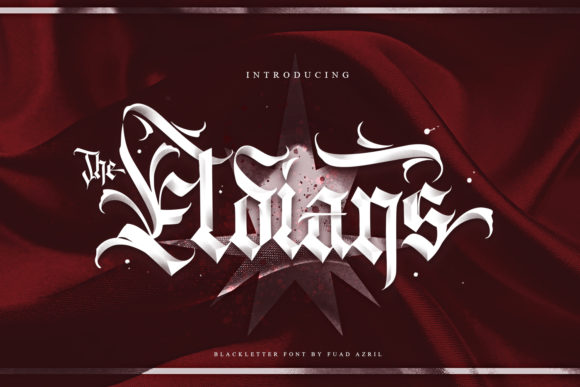
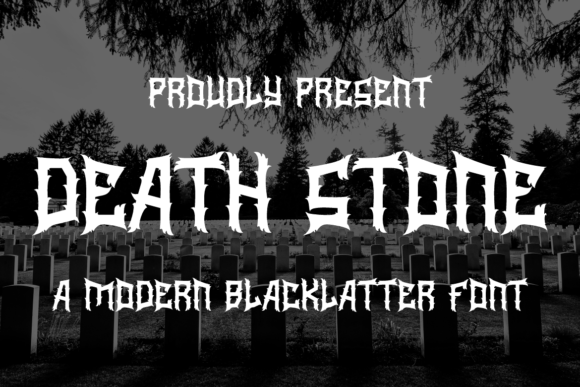
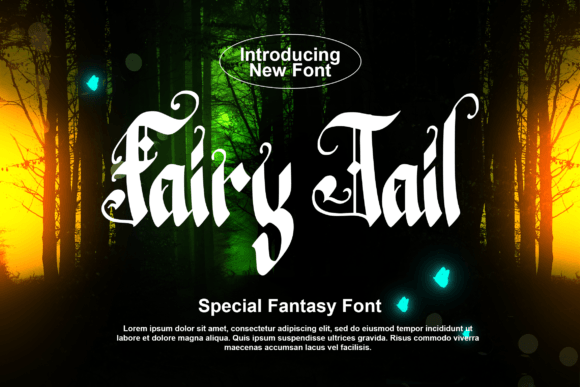
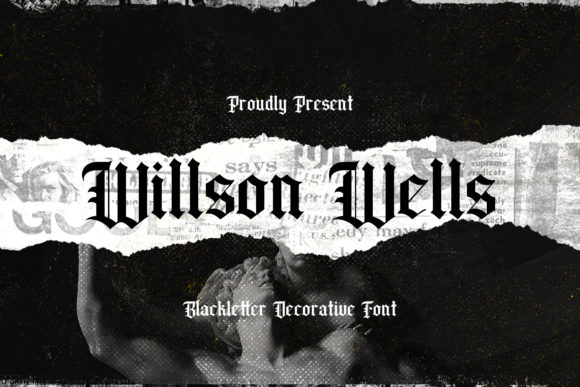
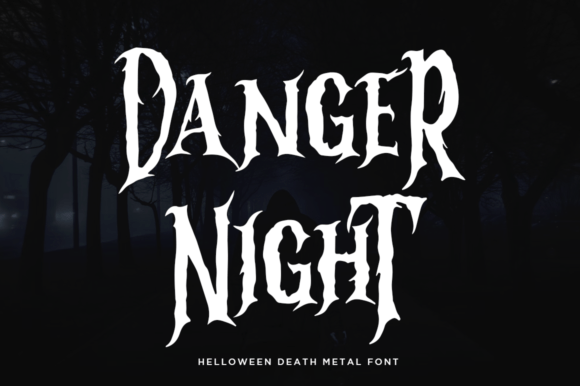
When we talk about blackletter fonts, the mind often jumps to medieval manuscripts or newspaper mastheads. While Danger Night certainly honors the structural roots of textura quadrata, it modernizes them with a distinct twist. The visual characteristics of this font are defined by high contrast strokes and sharp, angular edges, but it avoids the rigidity of traditional calligraphy. Instead, it features a slightly organic flow that suggests it was drawn by hand with a heavy marker or brush pen.
The personality of this typeface is loud, rebellious, and confident. It doesn’t whisper; it shouts. For designers working in the music industry, this is the kind of premium font that bridges the gap between classic rock aesthetics and modern punk or metal vibes. It works exceptionally well as a display font, meaning it is intended for headlines and large-scale typography rather than body copy. If you are looking to create a brand identity that feels established yet dangerous, this typeface provides that visual shorthand immediately.
Strategic Applications: Where Danger Night Belongs
Knowing where to use a font is just as important as choosing a good one. Because of its heavy weight and distinct style, Danger Night requires context to shine. It is not a "one size fits all" solution, but in the right environment, it is a powerhouse.
- Album Covers and Merchandise: This is the font’s natural habitat. Whether you are designing a vinyl sleeve or a t-shirt graphic, the blackletter style commands attention. It pairs well with gritty textures, halftone dots, and high-contrast photography.
- Poster Design: For gig posters, movie posters, or event flyers, you need a headline that grabs attention from a distance. The distinct silhouette of Danger Night ensures readability at a glance, provided the background isn't too cluttered.
- Logo Design: Many successful brands in the motorcycle, tattoo, and extreme sports industries rely on blackletter typography. If you are creating a logo for a client in these niches, this creative font offers a professional edge that generic fonts lack.
- Social Media Graphics: In the endless scroll of a feed, standard sans serif fonts can blend together. Using Danger Night for a promotional post or a story highlight can stop the scroll and increase engagement.
Design Mechanics: Pairing and Hierarchy
One of the most common mistakes in modern typography is using two fonts that fight for attention. Since Danger Night is a high-impact display font, it needs a partner that steps back and lets it lead. You generally want to avoid pairing it with another stylized serif font or a complex script font, as this creates visual clutter.
Instead, look for a clean, geometric sans serif font for your supporting text. Fonts like Roboto, Open Sans, or Montserrat provide a neutral canvas that allows the blackletter style to pop. This contrast creates a clear visual hierarchy, guiding the viewer's eye from the dramatic headline to the informative body text. For example, use Danger Night for the band name or event title, and a light sans serif for the date, time, and location. This approach maintains professionalism while still embracing the edgy aesthetic.
Technical Considerations for Professional Projects
Before integrating any new typeface into your workflow, especially for commercial use, there are practical elements you must evaluate. First, consider the licensing. If you are a small business owner selling merchandise or a publisher creating book covers, you need to ensure you have the correct commercial font license. Most design assets come with specific terms regarding how many devices can install the font or how many physical items can be printed using it.
Second, test for readability. While Danger Night is designed to be legible as a display face, blackletter styles can become difficult to read if the tracking (letter spacing) is too tight or the size is too small. Always print a test proof or view your design at 100% zoom on a screen. If you are designing for web design, ensure that the font renders correctly across different browsers and devices. Sometimes, the intricate details of a blackletter font can get lost on low-resolution mobile screens, so you might need to increase the font size for mobile layouts compared to desktop.
Final Thoughts on Versatility
While Danger Night is undeniably rooted in a specific subculture, its versatility might surprise you. It works beautifully in packaging design for craft beers or hot sauces, where a vintage or rustic feel is desired. It can add a touch of luxury or history to editorial design layouts, particularly in magazine headers or book chapter titles.
The key to success with a typeface like this is confidence. It is a bold choice that signals you understand your audience and aren't afraid to stand out. By pairing it correctly and using it in the right contexts, you can transform a standard layout into a memorable piece of visual communication. Whether you are a seasoned graphic designer or a hobbyist crafting a poster for a local event, having a reliable blackletter font in your toolkit ensures you are always ready to capture that "dangerous" energy when the project calls for it.