Minor: A Modern Blackletter for Bold Branding
The Visual Character of Minor
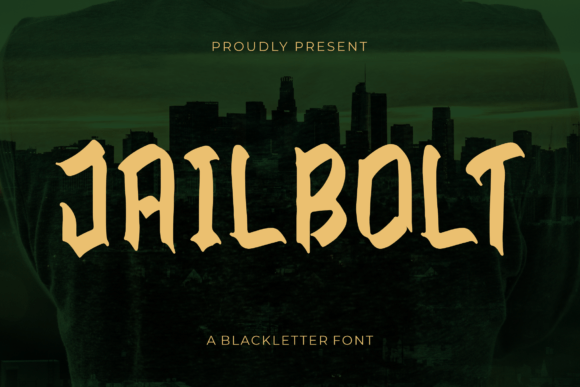
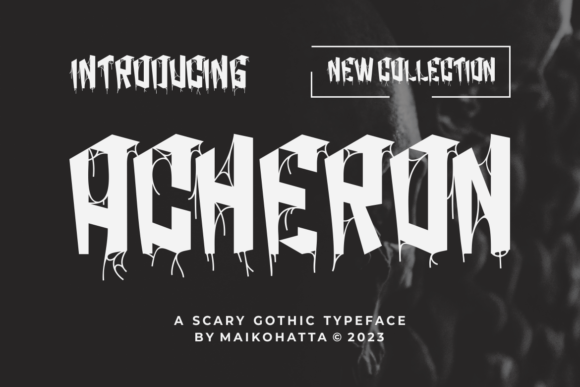
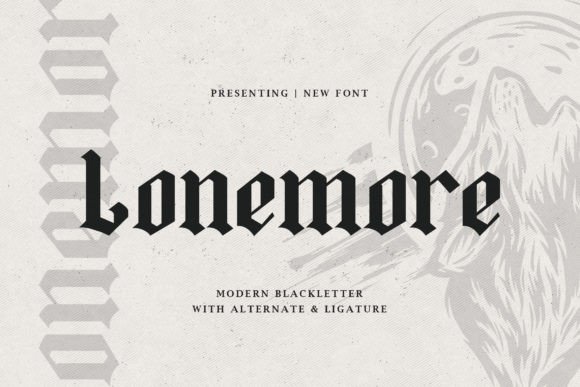
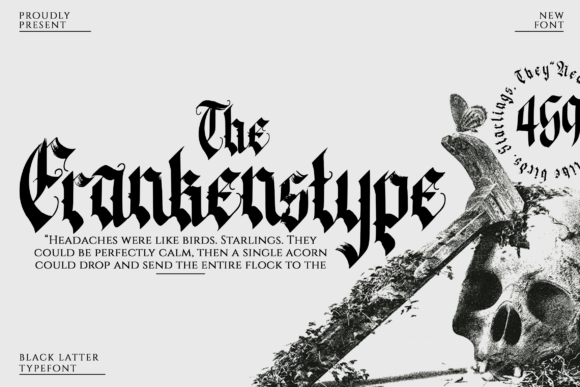
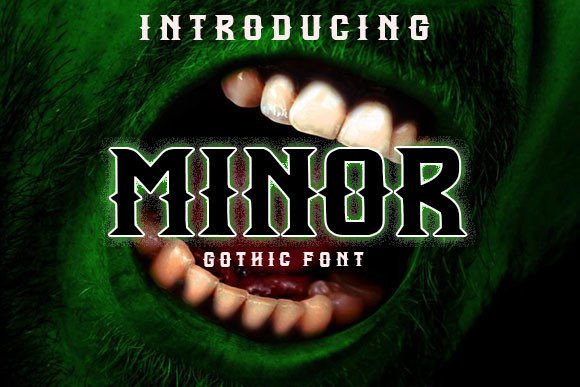
At its core, Minor is a contemporary interpretation of blackletter typography. Forget the overly ornate, hard-to-read scripts from medieval manuscripts. This is a premium font that strips away the historical clutter while keeping the essential, powerful structure of the blackletter style. It features sharp, geometric angles and high-contrast strokes that feel industrial and precise. The letterforms are condensed, allowing you to pack a visual punch without taking up excessive horizontal space.
What makes this typeface stand out is its duality. It feels rooted in tradition—evoking a sense of heritage, authority, and craftsmanship—but its clean lines and simplified details give it a distinctly modern typography edge. It isn't trying to mimic a calligrapher’s hand perfectly; instead, it embraces the digital medium. The result is a font that looks dangerous, daring, and unapologetically bold. If you are looking for a creative font that commands attention the moment it hits the page or screen, Minor delivers that impact consistently.
Where Minor Shines: Real-World Applications
Understanding where a font fits into your workflow is just as important as how it looks. Because of its heavy weight and condensed nature, Minor is primarily a display font. You wouldn't use it for body text in a long-form report, but it is the perfect engine for headlines, logos, and branding marks. Here is how different creative professionals can leverage this asset.
Branding and Logo Design
For entrepreneurs and brand strategists, a logo needs to be memorable. Minor is an excellent choice for brands that want to project confidence, edge, and distinctiveness. It works incredibly well for craft breweries, barbershops, tattoo studios, streetwear brands, and high-end industrial products. When used in logo design, the sharp angles of Minor create a strong silhouette that remains recognizable even at smaller sizes. It helps build a brand identity that feels established and serious, yet stylish enough to appeal to a younger demographic.
Packaging and Product Design
In the world of packaging design, shelf appeal is everything. You have a split second to catch a customer's eye. Minor excels here because of its high visual density. It creates a solid block of color and shape that anchors the layout. Imagine a matte black coffee bag with the blend name stamped in Minor—it immediately communicates strength and quality. It pairs exceptionally well with minimal design elements, allowing the typography to do the heavy lifting.
Editorial and Publishing
Publishers and content creators can use Minor to break the monotony of standard layouts. It is a fantastic tool for editorial design, specifically for magazine covers, pull quotes, or chapter headings. If you are designing a zine or a digital publication covering culture, music, or art, Minor provides that gritty, authentic texture. It sets a mood instantly, telling the reader that the content inside is bold and worth their time.
Digital and Social Media
While web performance is key, Minor is a powerhouse for static graphics. For social media managers and bloggers, using this font for Instagram story headers or YouTube thumbnails can significantly boost engagement. The thick strokes of the font maintain their integrity on mobile screens, ensuring your message isn't lost in the noise. It is a creative font that translates well to web design assets like hero banners, provided it is used sparingly for maximum effect.
Strategic Typography: Influence and Impact
Choosing a font is a strategic decision that influences how your audience perceives your message. Typography carries psychology; the shapes of letters trigger associations in the viewer's mind. Minor triggers associations of rebellion, craftsmanship, and exclusivity. Using it correctly can elevate a project from amateur to professional.
However, the power of a display font like Minor lies in restraint. If you overuse it, you risk overwhelming the viewer and hurting readability. The "daring" nature of the font means it works best when contrasted against something simple. This is where the art of font pairing comes into play.
To create a balanced visual hierarchy, pair Minor with a clean sans serif font or a simple serif font. For example, use Minor for your main headline to grab attention, and then use a font like Helvetica, Roboto, or Garamond for the sub-headline and body copy. This contrast allows the blackletter style to shine without causing eye strain. The sans serif acts as a neutral canvas, letting the personality of Minor pop.
Practical Guide: Testing and Licensing
Before you commit to using Minor for a large-scale commercial project, there are a few practical steps you should take to ensure it is the right fit.
Evaluating the Fit
Look at the personality of your project. Is your brand voice serious, edgy, or vintage? Minor fits those archetypes perfectly. However, if your brand voice is playful, bubbly, or strictly corporate in a traditional sense, a blackletter might confuse your audience. Always test the font with your actual brand name. Some letters in blackletter fonts can be tricky to read depending on the specific combination of characters.
Reviewing Styles and Readability
Check what is included in the font family. Does it come with alternates, ligatures, or different weights? Sometimes, a slightly lighter weight or a stylistic alternate can make a word more legible. Always test the font at the size it will be viewed. If you are designing a billboard, the sharp edges are an asset. If you are designing a business card, ensure the spacing (tracking) is sufficient so the letters don't bleed into one another.
Commercial Licensing
Finally, respect the work of the type designers. If you are using this for a client project, a product you are selling, or a business logo, you need a commercial font license. Ensure you understand the terms. Does the license cover web embedding? Does it cover physical merchandise? Checking these details ensures your brand identity is built on solid legal ground.
Minor is more than just a typeface; it is a design asset that brings a specific energy to your work. By understanding its visual strengths and applying it thoughtfully across your packaging design, web design, and branding, you can create visuals that are not only stylish but also strategically effective.