Morpheus: Crafting Bold Identities with Blackletter Charm
The Distinctive Edge of Morpheus
There is a certain weight and history that comes with blackletter typography. It often evokes a sense of tradition, craftsmanship, and unapologetic boldness. When you encounter Morpheus, you aren’t just looking at an old-world script; you are seeing a modernized, splendid interpretation of that classic genre. It captures the intricate detailing of gothic calligraphy but refines it for the contemporary designer's toolkit.
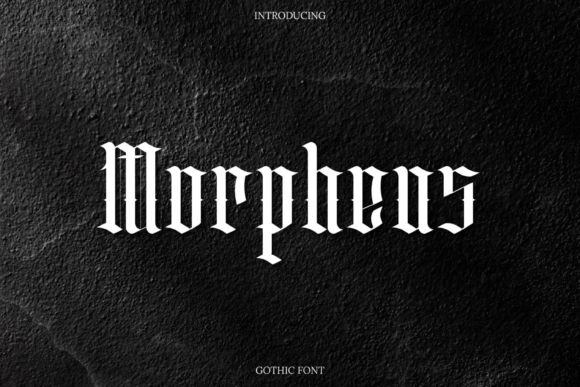
The immediate visual impact of Morpheus is its high contrast and sharp, angular strokes. Unlike some blackletter fonts that can feel cluttered or overly ornate, Morpheus maintains a level of clarity that makes it surprisingly versatile. The personality of this typeface is confident and daring. It doesn’t whisper; it declares. If your project requires a font that commands attention instantly, Morpheus provides that architectural strength. It works beautifully as a display font, where large-scale lettering allows you to appreciate the nuances of the serifs and the flow of the negative space.
Where Morpheus Makes Its Mark
Understanding where a premium font fits into your workflow is crucial for maximizing its value. Morpheus excels in environments where brand perception and visual hierarchy are paramount. It is not a body text solution, but rather the anchor of your design layout.
Branding and Logo Design
For entrepreneurs and small business owners, logo design is the cornerstone of brand identity. Morpheus offers a distinct advantage for brands that want to project heritage, luxury, or a rebellious spirit. Think about craft breweries, barbershops, high-end fashion labels, or artisanal coffee roasters. Using Morpheus in your logo immediately sets a specific tone. It tells your audience that you value tradition but aren't afraid to stand out.
However, when using a blackletter font like Morpheus for brand identity, consistency is key. You need to ensure that the complexity of the letters renders well at small sizes, such as on a business card or a favicon. I often recommend pairing a font like Morpheus with a clean sans serif font for supporting text. This contrast prevents the design from becoming visually heavy while ensuring the main header remains the star of the show.
Packaging and Editorial Design
In packaging design, shelf appeal is everything. Morpheus is an excellent choice for product packaging that needs to convey authenticity or a "limited edition" feel. Imagine a bottle of spiced rum or a vinyl record cover; the stylized strokes of Morpheus add a layer of texture that standard serif fonts or modern typography cannot replicate.
Similarly, in editorial design, this typeface shines as a headline grabber. Whether you are designing a magazine cover, a book jacket, or a festival poster, Morpheus creates a strong visual anchor. It helps establish the visual hierarchy, guiding the reader’s eye to the most important information first. Just be mindful of the reading environment; a dense paragraph in Morpheus would be illegible, but a punchy title transforms the page.
Digital Spaces and Social Media
While web design typically favors legibility for long-form reading, Morpheus has its place in the digital realm. It works exceptionally well for hero section headers, landing page titles, or "About Us" statements where you want to make a dramatic first impression.
For content creators and marketers, social media graphics are a daily battle for attention. A font like Morpheus cuts through the noise. It is perfect for quote graphics, sale announcements, or event headers on Instagram and Pinterest. Because it is a creative font, it adds an artistic flair to static images that might otherwise look generic.
Practical Application and Font Pairing
Choosing the right font pairing is often where designers struggle. Morpheus is a character-heavy font, meaning it has a strong "flavor." If you pair it with another stylized font, such as a script font or a handwritten font, the result can be chaotic and difficult to read.
The most effective strategy is balance. Because Morpheus leans heavily into its gothic roots, it pairs beautifully with geometric sans serif fonts (like Futura or Montserrat) or simple, modern serif fonts. This creates a dialogue between the old and the new. The Morpheus header provides the personality, while the secondary typeface provides the clarity and structure needed for the body copy.
Before finalizing your design, always test the font pairing in context. Create a mockup of your packaging design or web design layout. Look at the spacing (tracking) between the letters in Morpheus. Sometimes, opening up the spacing slightly can make a blackletter font feel more airy and modern, whereas tightening it creates a dense, powerful block of text.
Making the Decision: Is Morpheus Right for You?
When evaluating this commercial font, consider your target audience. Morpheus appeals to adults who appreciate style, history, and boldness. If your demographic skews toward a younger, minimalist aesthetic, this font might feel too heavy. However, if you are targeting an audience that values craftsmanship, luxury, or edgy aesthetics, Morpheus is a perfect fit.
It is also vital to review the licensing and the specific styles included with the font. A high-quality display font like Morpheus often comes with stylistic alternates or ligatures that can elevate your design from good to exceptional. Check if the character set supports the languages you need and ensure you have the correct commercial font license for your intended use, whether that is physical products or digital advertisements.
Ultimately, Morpheus is a tool for making a statement. It is for the designer, the entrepreneur, or the hobbyist who wants their work to feel substantial and stylistically daring. When used thoughtfully, it doesn't just spell out words; it builds an atmosphere.