Unleash Bold Drama: Designing with the Rose Thorns Typeface
In the crowded landscape of modern typography, finding a typeface that genuinely captures attention without relying on gimmicks is a rare win. We are constantly bombarded with minimalist sans serif options and elegant script fonts, but sometimes a project demands something with more grit, history, and personality. This is where Rose Thorns enters the conversation. It isn’t just another blackletter font; it is a statement piece. For designers, entrepreneurs, and creatives looking to inject a sense of strength and tradition into their work, this typeface offers a bridge between medieval craftsmanship and contemporary graphic design.
The Anatomy of Attitude: Understanding the Rose Thorns Aesthetic
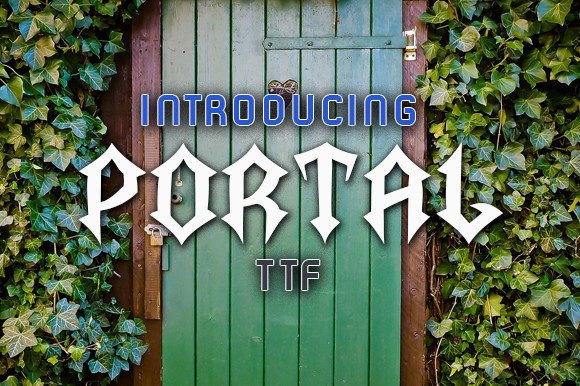
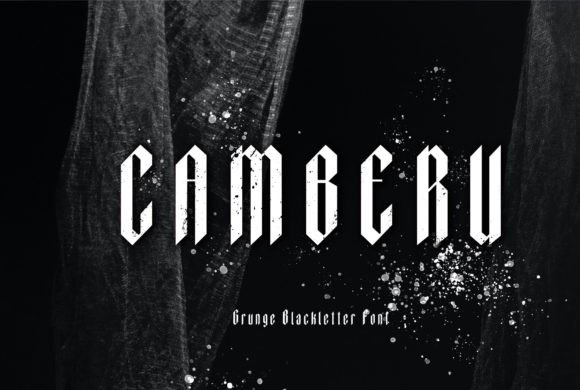
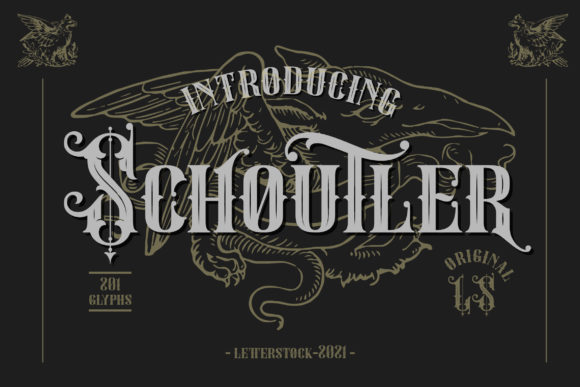
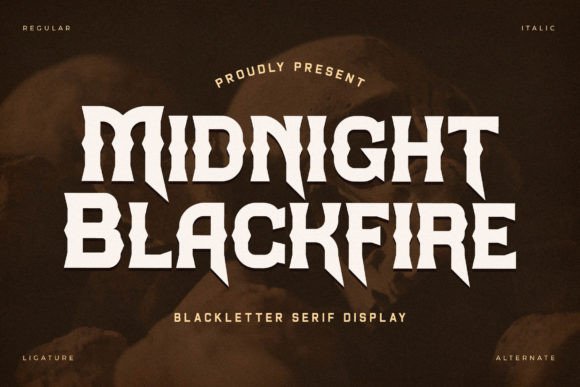
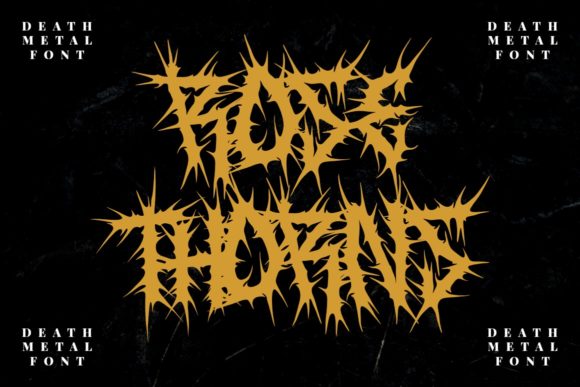
To appreciate what makes Rose Thorns a valuable design asset, you have to look at its roots in blackletter history while acknowledging its modern interpretation. Blackletter fonts, often associated with Gothic manuscripts and Old English text, are characterized by their dense, angular strokes and high contrast. However, Rose Thorns isn’t a dusty relic. It brings a sharpness and clarity that many vintage-inspired fonts lack. The letterforms are constructed with a strong vertical stress and intricate detailing that mimics the look of a steel nib pen pressed hard into parchment.
The visual personality of this typeface is unapologetically bold. It commands respect. When you look at the individual characters, you see a rhythm of thick and thin strokes that creates a texture almost like woven fabric or, true to its name, a jagged thorn bush. This makes it a superb choice for logo design where you need immediate brand recognition. Unlike a standard serif font which whispers professionalism, Rose Thorns shouts authority. It is a premium font choice for those who aren't afraid to be seen. It works particularly well in display sizes, where the intricate details of the letterforms can shine without getting lost.
Strategic Application: Where to Deploy this Creative Font
Knowing a font looks cool is one thing; knowing how to use it effectively in commercial projects is another. The versatility of Rose Thorns might surprise you. While it is a specialized display font, its applications span across various industries, from packaging design to social media graphics.
Branding and Logo Design
For small business owners and entrepreneurs, your logo is your handshake. If you are in the business of craft beer, tattoo parlors, barbershops, or high-end streetwear, this font speaks your language. It provides an instant brand identity that feels established and authentic. However, using it for a logo requires restraint. Because the font is so stylistic, it works best when the business name is short and impactful. Pairing it with a clean, geometric sans serif font for your tagline creates a perfect balance between flair and readability.
Editorial and Publishing
In editorial design, such as magazine covers, book titles, or music posters, Rose Thorns excels at setting a mood. It is particularly effective for genres like fantasy, horror, history, or noir. Imagine a book cover for a thriller novel; the title set in Rose Thorns immediately signals danger and suspense to the potential reader. For publishers and bloggers, using this font for pull quotes or section headers can break up the monotony of body text and guide the reader’s eye through the page.
Digital and Print Marketing
When creating web design elements or physical flyers, contrast is key. A blackletter font like Rose Thorns can be used for hero text on a landing page to create a dramatic entry point. In packaging design, especially for artisanal products, it conveys a sense of handcrafted quality. It suggests that the product inside is made with care and tradition. Even on social media, where attention spans are short, a bold graphic using Rose Thorns can stop the scroll.
Technical Mastery: Pairing, Readability, and Hierarchy
Using a heavy, stylistic font effectively requires an understanding of visual hierarchy. You cannot simply replace your standard paragraph font with Rose Thorns and hope for the best. That would be a recipe for illegibility. Here is how to approach the technical side of using this typeface in your projects.
The Art of the Font Pairing
The most common mistake with blackletter fonts is pairing them with other decorative fonts. Rose Thorns is the star of the show; it needs supporting actors, not competition. The safest and most effective route is to pair it with a neutral sans serif font. Fonts like Helvetica, Futura, or Open Sans provide a clean, modern counterpoint to the ornate nature of Rose Thorns. If you want a slightly softer look, a simple serif font with low contrast can also work, provided it doesn't have too many decorative features of its own. Avoid pairing it with script fonts or handwritten fonts, as the visual noise will overwhelm the viewer.
Readability Considerations
Because Rose Thorns is a display font, it is not designed for long blocks of small text. If you try to write a paragraph in this font, the letters will blur together, and your audience will disengage. Use it for headlines, sub-headers, and large display text only. For body copy, stick to a legible serif or sans serif. Also, consider the color contrast. Blackletter fonts have heavy strokes, so they perform best on high-contrast backgrounds—black on white, white on black, or gold on deep navy. Be careful with light grey text on a white background; the thin strokes of the "thorns" might disappear.
Evaluating Your Project Fit
Before you commit to Rose Thorns, ask yourself about the tone of your project. If you are designing for a pediatric dentist or a yoga retreat, this font might send the wrong message—it is too aggressive and severe. However, if you are working on a project that values strength, heritage, rebellion, or luxury, it is an excellent fit. It adds a layer of sophistication that feels different from the typical corporate modern typography we see every day.
Practical Guidance for Creatives and Entrepreneurs
If you are ready to incorporate Rose Thorns into your toolkit, there are a few practical steps to ensure a smooth workflow. First, check the character map. High-quality premium fonts often come with alternates, ligatures, and swashes. Rose Thorns likely includes variations on specific letters that can help you customize the look and avoid repetition if you are using the font for a logo or a title.
Second, understand the licensing. If you are a freelancer or a small business owner, ensure you have the correct commercial license for where the font will appear. A license for a desktop application (like creating a logo in Illustrator) is different from a web font license used for web design. Respecting the creator's work ensures you can use the asset legally in your professional capacity.
Finally, don't be afraid to experiment with scale. Rose Thorns looks incredible when blown up to massive sizes for posters or merchandise. The intricate details become architectural elements of the design. Whether you are a crafter making custom signs, a marketer designing event posters, or a designer building a brand identity for a client, this typeface offers a robust foundation for creative exploration. It is a tool that, when wielded with intention, transforms standard designs into memorable visual experiences.