Hyacinth: A Modern Blackletter Font for Bold Design
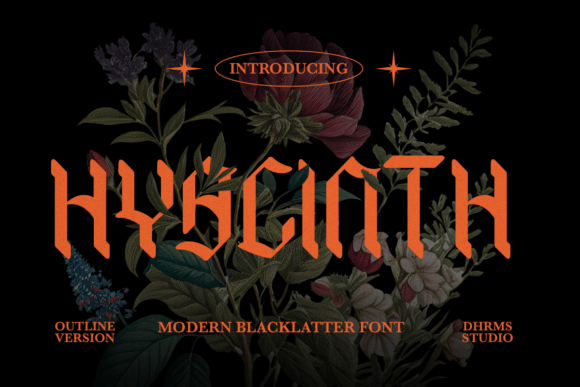
You know that moment when you're scrolling through a sea of clean, minimalist sans serifs, and something with a bit more grit and personality catches your eye? That's the feeling Hyacinth is built to create. It’s not your grandfather's blackletter font—far from it. Think of it as blackletter reimagined for the digital age: all the historical weight and drama, but with softened edges and a contemporary swagger that feels right at home in modern design. It’s a premium font that bridges centuries, offering a unique voice in a crowded typographic landscape.
More Than Just a Pretty Face
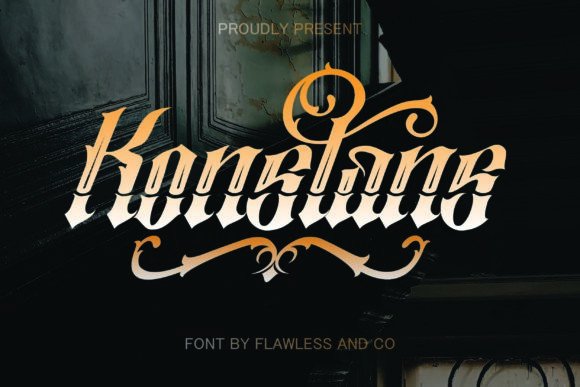
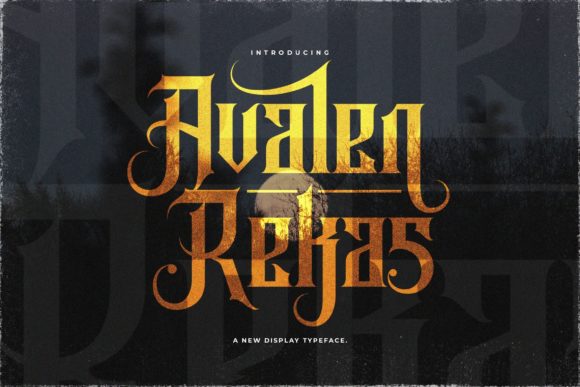
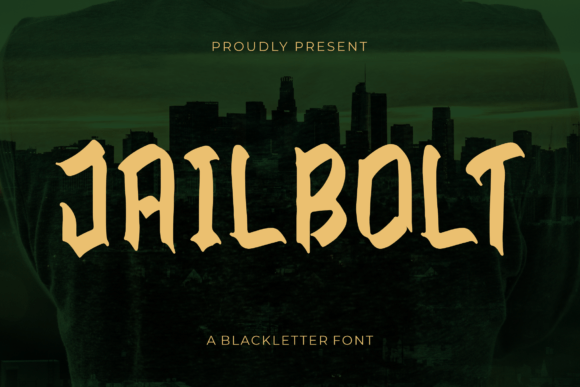
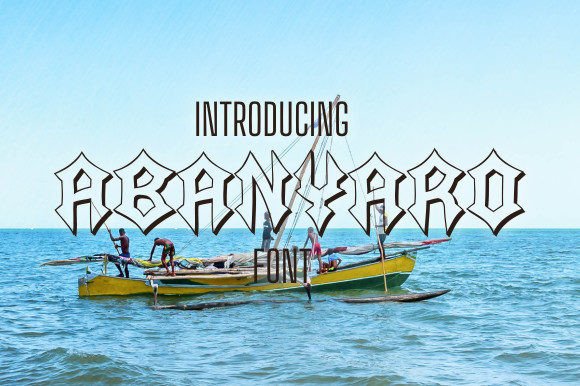
At its core, Hyacinth is a display font with a distinct personality. It carries the structural DNA of traditional blackletter—those sharp, angular strokes and dense, vertical rhythms that evoke old manuscripts and tattoo parlors. But here’s the twist: the designers have applied a subtle, touch-rounded style. This softens the harshness, making the letterforms feel more approachable and less aggressive. The result is a modern typography piece that feels both authoritative and surprisingly elegant. It’s bold without being brutish, intricate without being illegible at display sizes.
This visual character makes Hyacinth a powerful tool for setting a tone. It immediately communicates something different, something crafted. It doesn’t whisper; it makes a statement. For a brand identity that needs to stand out with a touch of rebellion, artistry, or heritage, this typeface can be the cornerstone. It’s the kind of creative font that can make a logo or a headline feel instantly memorable, offering a visual shorthand for uniqueness and confidence.
Where Hyacinth Truly Shines
Knowing a font looks cool is one thing. Knowing where to deploy it for maximum impact is where the real design work happens. Hyacinth isn't a workhorse for body copy—its strength lies in grabbing attention and setting a scene. Think of it as the lead singer, not the bass player. Here’s where it naturally excels:
- Logo Design & Wordmarks: For brands in creative industries—think craft breweries, boutique barbershops, artisanal coffee roasters, or independent record labels—Hyacinth can form the backbone of a striking logo. Its inherent character provides instant brand recognition.
- Editorial & Book Covers: Need a book cover for a fantasy novel, a historical fiction piece, or a poetry collection with an edge? Hyacinth’s aesthetic is perfect. It can also add a dramatic pull-quote or chapter title in a magazine or literary journal.
- Packaging Design: On a label for a small-batch spirit, a specialty hot sauce, or a luxury candle, this font adds a layer of perceived craftsmanship and premium quality. It tells a story before the customer even reads the product name.
- Apparel & Merch: T-shirts, hoodies, and hats are prime real estate for a bold display font. Hyacinth can create impactful graphics for streetwear brands, band merchandise, or boutique apparel lines.
- Digital & Social Media: A bold YouTube thumbnail, a podcast cover art, or an Instagram story announcement can benefit from its unique flair. It stops the scroll in a feed dominated by more common typefaces.
Pairing and Practicality: Making Hyacinth Work
Introducing a font with this much personality into a project requires a bit of strategy. The goal is to let it shine without overwhelming the design or compromising clarity. Here’s how to approach it practically.
Mastering the Font Pairing
The golden rule with a strong blackletter font like Hyacinth is contrast. You need a calming counterpart to let the headline sing. A clean, neutral sans serif font is almost always a safe and effective choice for body text or supporting information. Think of it as a visual palate cleanser. A simple serif font can also work beautifully, especially if you want to lean into a more traditional or literary feel. The key is to let Hyacinth own the headline space and use the secondary font for everything else, ensuring your visual hierarchy is crystal clear.
Evaluating Your Project’s Fit
Before you commit, ask yourself: Does the personality of Hyacinth align with the message? A children’s party invitation? Probably not. A tech startup’s annual report? Likely too niche. But for a project that values individuality, craftsmanship, history with a modern twist, or outright boldness, it’s worth serious consideration. Always test it with your actual content. Set your headline, your key tagline, and see if the letterforms support the words’ meaning. Check the included ligatures and alternative characters—these stylistic sets can offer subtle variations to perfect the look.
Readability and Licensing
Remember, Hyacinth is a display typeface. Its detailed strokes are designed for impact at larger sizes, not for paragraphs of small text. Use it for titles, short quotes, and logos where its intricacies can be appreciated. For longer text, pair it with a highly readable serif or sans serif.
Finally, if your project is commercial—a client logo, a product for sale, a monetized YouTube channel—ensure you have the correct commercial font license. Most premium fonts come with clear licensing terms for different uses. Taking a moment to review this ensures your project is not only beautiful but also fully compliant, protecting you and your client.
In the end, fonts like Hyacinth are more than just design assets; they’re tools for storytelling. They offer a way to inject a specific mood and texture into your work that generic options can’t match. If your next project calls for a voice that’s both rooted in tradition and confidently modern, Hyacinth might just be the missing piece that turns a good design into a memorable one.