Kramood: Vintage Charm Meets Modern Design Power
There's something undeniably magnetic about typography that carries a sense of history. When you stumble across a font that feels like it was peeled off an old apothecary bottle or lifted from a weathered circus poster, it stops you in your tracks. That's exactly the kind of reaction Kramood is built to create. This blackletter font draws its soul from vintage signage and retro-style labels, delivering a visual punch that feels both nostalgic and refreshingly bold.
But Kramood isn't just about looking old. It's about harnessing the power of heritage typography to make contemporary projects stand out. Whether you're designing a craft beer label, building a brand identity for a tattoo studio, or putting together editorial spreads with attitude, this typeface offers a distinct personality that generic fonts simply can't replicate.
What Makes Kramood Visually Distinctive
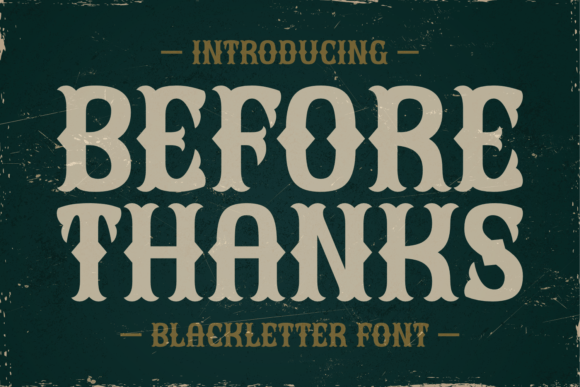
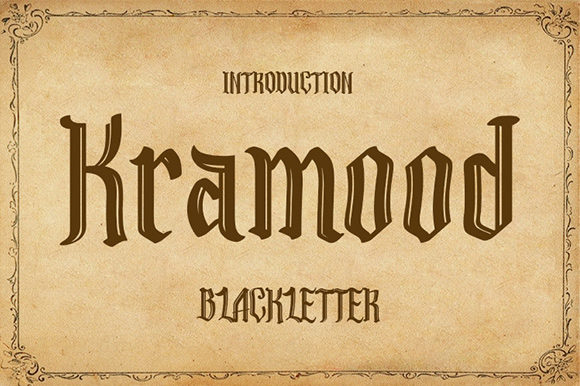
At its core, Kramood is a blackletter display font, which means it belongs to that dramatic family of typefaces rooted in medieval European manuscript traditions. The letterforms feature sharp, angular strokes, intricate detailing, and a sense of weight that commands attention. Think of old German fraktur scripts or the bold lettering you'd see on vintage brewery signage—that's the territory Kramood inhabits.
What sets it apart from purely historical blackletter fonts is its retro-inspired refinement. The designers behind Kramood clearly studied the lettering traditions of early 20th-century American signage, where blackletter was adapted for commercial use on storefronts, product labels, and advertising posters. The result is a typeface that balances ornamental complexity with a certain commercial legibility. It feels crafted rather than merely decorative.
The character construction shows careful attention to proportion and flow. While blackletter fonts can sometimes feel cramped or overly dense, Kramood maintains enough breathing room between strokes to keep things readable at larger sizes. The uppercase letters carry a particular grandeur, with sweeping curves and sharp terminals that give them real presence. The lowercase characters complement this with a slightly softer rhythm, making text blocks feel cohesive rather than chaotic.
Where Kramood Truly Shines
Understanding where a font works best is just as important as appreciating how it looks. Kramood is fundamentally a premium font designed for display purposes, which means it thrives in contexts where impact matters more than extended readability. Here's where it earns its keep:
Logo design and brand identity stand out as natural fits. If you're building a brand that wants to communicate craftsmanship, tradition, rebellion, or artisanal quality, Kramood delivers that message instantly. A craft distillery, a vintage clothing brand, a barbershop with old-school sensibilities, or an independent record label—these are the kinds of businesses where this typeface becomes a cornerstone of visual identity. Pair it with a clean sans serif font for body text, and you've got a brand system that feels both distinctive and functional.
Packaging design is another arena where Kramood excels. Labels on bottles, boxes, and bags need to grab attention on crowded shelves. The bold, intricate nature of this blackletter typeface creates instant shelf presence. It works particularly well for products in the food and beverage space, especially those emphasizing heritage recipes, small-batch production, or artisanal methods.
For poster design and editorial work, Kramood brings a level of visual drama that simpler fonts struggle to achieve. Event posters for music festivals, theatrical productions, or cultural events benefit from its commanding presence. In editorial design, it can serve as a striking drop cap or headline treatment that sets a particular mood before the reader even processes the words themselves.
Social media graphics and web design also benefit from strategic use of Kramood. A bold hero section headline, an Instagram quote graphic, or a YouTube thumbnail can leverage this font's visual weight to stop the scroll. Just remember that digital contexts demand careful attention to rendering and size—more on that shortly.
How Kramood Influences Perception and Engagement
Typography doesn't just display words; it shapes how people feel about those words. The fonts you choose directly influence brand perception, audience trust, and emotional response. Kramood carries specific connotations that are worth understanding before you deploy it.
Blackletter fonts historically signal tradition, authority, and craftsmanship. They carry cultural weight—sometimes edgy, sometimes refined, always deliberate. When someone encounters Kramood on a product or in a design, they're absorbing those associations subconsciously. A brand using this typeface is making a statement that it values heritage, quality, and attention to detail. It suggests confidence and a willingness to stand apart from the crowd of minimalist, geometric modern typography that dominates much of contemporary design.
That said, context shapes everything. The same font that reads as "artisanal craft" on a whiskey label might read as "aggressive intensity" on a concert poster. Understanding your audience is critical. Adults aged 20 to 50—particularly those in creative, entrepreneurial, or design-adjacent fields—tend to appreciate bold typographic choices when they feel intentional and well-executed. Kramood works best when it's clearly a deliberate design decision rather than a default choice.
Practical Guidance for Working with Kramood
Before committing to any creative font for a project, it's worth running through a practical evaluation process. Here's how to approach Kramood specifically:
Evaluate project fit first. Ask yourself whether the tone of your project genuinely calls for blackletter styling. If you're designing for a yoga studio or a children's brand, Kramood probably isn't your answer. But if the project involves themes of history, craftsmanship, rebellion, luxury, or Americana, it's worth exploring.
Test font pairings carefully. Kramood demands a strong partner. Because it's visually complex and commanding, it pairs best with simpler, more restrained fonts. A geometric sans serif font like Montserrat or Futura creates clean contrast. A classic serif font like Garamond can complement the heritage feel without competing for attention. Avoid pairing it with other ornate typefaces—script fonts and handwritten fonts alongside blackletter typically creates visual noise rather than harmony.
Review the included styles and character set. Before purchasing any commercial font, check what's actually included. Does Kramood offer multiple weights? Are there alternate characters, ligatures, or stylistic variations? Understanding the full range of what you're getting helps you plan more effectively and extract maximum value from your design assets.
Consider readability at your intended size. Blackletter fonts are display typefaces by nature. They perform beautifully at large sizes—headlines, logos, banner text. At smaller sizes, the intricate stroke details can become muddy or indistinct. Always test Kramood at the actual size it will appear in your final design. If it's going on a printed label, print a test. If it's for a website, check it across devices and screen resolutions.
Understand the licensing terms. Any premium font worth investing in comes with clear commercial licensing. Make sure the license covers your intended use—whether that's a single logo project, a product line, client work, or digital distribution. Reputable font foundries provide straightforward licensing information, and respecting those terms protects both you and the type designer's livelihood.
Making Kramood Work for You
The best typography decisions happen when aesthetics and strategy align. Kramood isn't a font you reach for casually—it's a statement piece that anchors a visual direction. Used thoughtfully, it becomes a powerful tool for creating brand identity that resonates, packaging design that sells, and editorial design that captivates.
Start by studying how successful brands in your space use blackletter or vintage-inspired typography. Notice the patterns—where it appears, how large it's set, what surrounds it. Then experiment with Kramood in your own projects, testing different contexts, pairings, and applications. The goal isn't to use the font everywhere but to deploy it where its distinctive character creates the most impact.
Good design is about making intentional choices, and choosing a typeface like Kramood is one of the most intentional decisions you can make. It tells your audience that you've thought carefully about every visual detail, and that kind of craftsmanship always leaves an impression.