Moxy Rush: Blending Blackletter Heritage with Modern Edge
Finding a typeface that commands attention without feeling archaic is a challenge. Many display fonts today lean heavily into futuristic minimalism or playful scripts, but there's a growing hunger for designs that carry weight, history, and a sense of permanence. This is where Moxy Rush enters the conversation. It is not merely a font; it is a carefully engineered design asset that bridges the gap between the 15th-century blackletter tradition and the crisp demands of 21st-century digital typography. If you are looking to inject a sense of rebellion, luxury, or raw authenticity into your work, understanding the nuances of this typeface is the first step toward transforming your visual language.
The Visual DNA: More Than Just Gothic
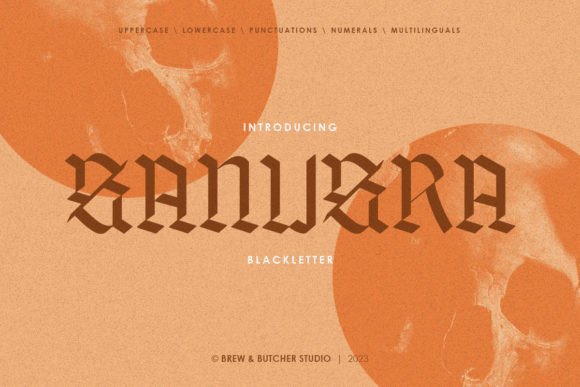
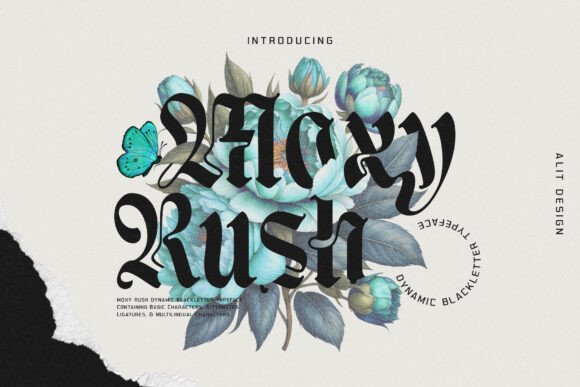
At first glance, you recognize the roots. The structure of Moxy Rush nods to the dense, ornamental blackletter styles often associated with historical manuscripts and street culture. However, this isn't a slavish reproduction of the past. The defining characteristic here is the "contemporary twist." The designer has stripped away the excessive complexity that often makes traditional Gothic fonts illegible on modern screens. Instead, you get sharp, high-contrast strokes and a rhythm that feels aggressive yet controlled.
Look closely at the letterforms, and you will notice a distinct personality. It has a "moxy"—a swagger—that suggests confidence. The serifs are not traditional bracketed serifs you might find on a classic serif font like Garamond; rather, they are angular and assertive. This creates a visual texture that is incredibly dense and impactful. It functions as a premium font that doesn't just sit on the canvas; it attacks it. Whether used for a headline or a logo design, the typeface communicates a brand identity that is fearless and unapologetic. It is the visual equivalent of a leather jacket—classic in concept, but entirely relevant in today's fashion.
Strategic Applications: Where Moxy Rush Shines
Understanding where to deploy a display font like this is crucial for maintaining professionalism. Because of its bold nature, Moxy Rush is rarely the right choice for long-form body text. You wouldn't use it for an entire blog post or a technical manual. Its strength lies in hierarchy and impact.
For branding and logo design, this typeface is a powerhouse. It works exceptionally well for brands that want to position themselves as edgy, artisanal, or rooted in subculture. Think of craft breweries, independent record labels, high-end streetwear brands, or even boutique barbershops. The font carries an inherent "cool factor" that can immediately elevate a brand identity, making it look established and intentional.
In the realm of editorial design and publishing, Moxy Rush serves as a striking counterpoint to clean sans serif fonts. Imagine a magazine cover or a book title where the main headline uses this bold typeface, contrasted with a light, geometric sans serif for the sub-headers. This contrast creates a dynamic visual hierarchy that guides the reader's eye exactly where you want it.
Digital media and web design also benefit immensely from this font, provided it is used judiciously. On a landing page, a hero section featuring a massive headline in Moxy Rush can significantly reduce bounce rates by grabbing the user's attention instantly. For social media graphics, where you have roughly two seconds to stop a user from scrolling, the aggressive styling of this font is an asset. It cuts through the noise of generic content, making it ideal for announcements, sales, or bold statements on Instagram and TikTok.
The Psychology of Perception: How Typography Shapes Your Brand
Typography is rarely just about aesthetics; it is about psychology. The font you choose tells your audience how to feel about your product before they read a single word of copy. Using Moxy Rush influences brand perception by signaling specific traits: heritage, rebellion, craftsmanship, and intensity.
When a small business owner chooses a premium font like this, they are signaling that they care about the details. It moves a brand away from the "generic startup" look—often characterized by overused free fonts—and toward a position of established authority. This shift in visual language can directly impact audience engagement. A viewer perceives the brand as more serious, more creative, and more trustworthy simply because the visual presentation lacks the amateurish vibe of default system fonts.
Furthermore, Moxy Rush aids in brand recognition. In a marketplace saturated with clean, safe, corporate typography, a typeface with this much character is memorable. It sticks in the mind's eye. For entrepreneurs and content creators, this distinctiveness is invaluable. It ensures that your marketing materials, whether print or digital, are not just seen but remembered.
Practical Implementation and Pairing Strategies
Adopting a new font into your workflow requires practical consideration. Here is how to get the most out of Moxy Rush without compromising the usability of your designs.
Mastering Font Pairing
The golden rule with a high-personality display font is to pair it with something quiet. Because Moxy Rush is visually "loud," it needs a partner that can play a supporting role without fighting for attention. Avoid pairing it with other decorative, script, or handwritten fonts, as this will create visual chaos.
- With Sans Serif Fonts: Pairing Moxy Rush with a clean, geometric sans serif font (like Montserrat or Helvetica) creates a classic high-low contrast. The sans serif provides readability for body text, while Moxy Rush handles the headlines.
- With Serif Fonts: For a more editorial or luxurious feel, pair it with a transitional serif font. This works well in publishing and packaging design where you want to evoke a sense of tradition mixed with modernity.
Evaluating Readability and Licensing
Before finalizing your design, always test for readability. While Moxy Rush is designed to be more legible than historical blackletter, you must still ensure your specific audience can read it at the intended size. Test it on mobile devices, as screen resolution can affect the rendering of the intricate details.
Additionally, since this is a commercial font, you must verify the licensing. If you are using it for a client's logo or on merchandise (like T-shirts or mugs), ensure your license covers commercial use. Most premium font foundries offer different tiers for desktop, web, and app usage. Respecting these boundaries ensures you avoid legal headaches later and supports the type designers who create these high-quality assets.
Exploring Font Styles
Check if Moxy Rush comes with variable weights or stylistic alternates. Often, premium fonts include different versions of specific letters (like the 'A' or 'G') that can help customize the look further. Using these alternates can make your logo design feel truly one-of-a-kind, even if others are using the same typeface. Look for swashes or ligatures that might smooth out the connection between letters, enhancing the flow of your headlines.
Conclusion: Elevating Your Creative Toolkit
In the vast ocean of design assets available today, Moxy Rush stands out as a deliberate choice for those who want to make a statement. It is not a font for the faint of heart; it is for the designer, the marketer, and the entrepreneur who understands that typography is the voice of visual communication. By blending the gravity of blackletter history with the sleek requirements of modern design, it offers a unique solution for branding, packaging, and digital content. If you are ready to move beyond the safe, sans-serif defaults and give your projects a voice that resonates with depth and attitude, Moxy Rush is the tool to get you there.