Reylith: A Blackletter Typeface for Bold Branding
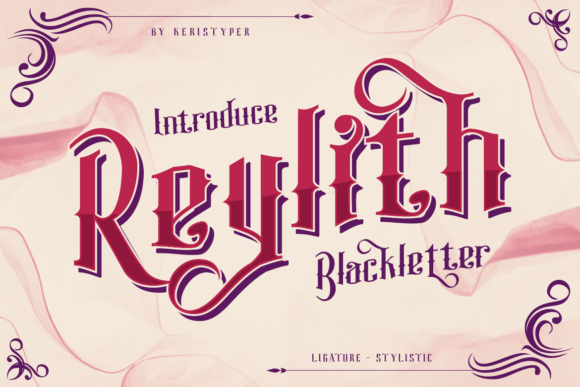
Finding a typeface that carries weight and history without feeling outdated is a constant search for designers. You need something with presence, something that doesn't just sit there but actively contributes to a project's personality. This is where a font like Reylith enters the conversation. It’s a blackletter typeface, but it’s built with a specific, contemporary inspiration: the bold, clear lines of traditional tattoo lettering. This isn't your average medieval script; it’s a modern interpretation designed for impact in today’s visual landscape.
The immediate visual character of Reylith is one of structured confidence. It features the high-contrast strokes and dramatic serifs characteristic of blackletter, but the forms are refined and clarified. The letter shapes avoid the overly ornate, hard-to-read flourishes of some historical scripts. Instead, they prioritize a strong, legible silhouette even at smaller sizes. The personality is assertive, a little rebellious, and deeply authentic. It feels handcrafted, which gives it a human touch that purely geometric or sans-serif fonts often lack. This makes it a powerful creative font for projects that need to stand out and communicate strength or tradition with a modern edge.
Where This Typeface Truly Excels
Understanding a font's strengths is key to using it effectively. Reylith isn't a workhorse for body text, but it shines as a display font. Think of it as the headline act, the centerpiece that draws the eye. Its best applications are in contexts where short bursts of text need to make a lasting impression.
For logo design, Reylith offers a fantastic foundation. It can instantly give a brand a distinct, memorable identity—especially for businesses in creative fields, bespoke services, barbershops, breweries, apparel, or any venture wanting to project a blend of heritage and individuality. A logo set in this typeface tells a story before a single word of copy is read.
In editorial design and publishing, consider it for book titles, chapter headings, or pull quotes. It adds a dramatic flair to genres like fantasy, thriller, or historical fiction. For packaging design, it can elevate a product on the shelf, suggesting quality and artisanal craft. On social media graphics, a short, punchy statement in Reylith can stop the scroll, making it ideal for Instagram stories, YouTube thumbnails, or promotional banners where visual hierarchy is critical.
The versatility extends to web design for hero section headers or event announcements. It’s also a compelling choice for movie titles, music album art, and merchandise like t-shirts or posters. The key is using it strategically for short, impactful text where its detailed forms can be appreciated without causing visual fatigue.
Pairing and Practical Application
A premium font like Reylith reveals its full potential when paired thoughtfully. The goal is contrast and balance. Because it has a strong, decorative personality, it pairs exceptionally well with clean, neutral typefaces. A simple sans serif font for body text creates a beautiful hierarchy, allowing Reylith to own the headlines without competition. Alternatively, a classic serif font can create a more traditional, layered feel for certain projects. Avoid pairing it with other highly stylized script fonts or handwritten fonts, as this can create visual clutter and undermine readability.
Before implementing it, always test the font in context. Check the spacing and kerning at the size you intend to use. While its legibility is good for a blackletter, ensure the specific words you’re setting are clear. Review the full character set; often, a commercial font will include stylistic alternates, ligatures, or additional weights that can expand your creative options. For a project with a long-term brand identity, verifying that the licensing covers all your intended uses—digital, print, merchandise—is a non-negotiable professional step.
Think about the message you need to convey. If your project’s core values include strength, tradition, craftsmanship, or a bold, distinctive voice, then Reylith is a typeface worth serious consideration. It’s more than just a design asset; it’s a tool for storytelling. By using it with intention—respecting its strengths and pairing it wisely—you can create visuals that are not only beautiful but deeply resonant with your audience. It’s a typeface that doesn’t just display words; it gives them a distinct, unforgettable character.