Rusted Sabbath: A Blackletter Typeface for Bold Branding
When you're building a brand that needs to stand apart from the noise, typography becomes your first line of defense. Rusted Sabbath is a blackletter display font that channels the raw energy of death metal aesthetics while remaining versatile enough for serious branding work. It's not just another ornamental typeface—it's a design tool built for creators who want their logos, merchandise, and visual identities to carry weight and attitude.
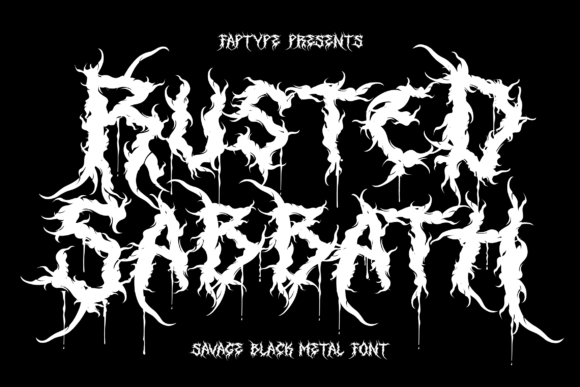
What makes this typeface immediately noticeable is its blackletter foundation combined with sharp, aggressive detailing. The letterforms have that classic Gothic structure—tall, angular, and heavy—but with a modern edge that keeps them from feeling like a history lesson. There's a roughness to the strokes, a sense of wear and texture that gives each character personality. This isn't a polished, corporate-friendly serif font. It's a display typeface with a distinct point of view, and it knows exactly what it wants to be.
Where Rusted Sabbath Earns Its Place
Not every project calls for a font with this much visual intensity. But when the brief demands something fierce, Rusted Sabbath delivers in specific contexts where subtlety would be a disservice. Think album covers for metal, punk, or industrial bands. Think horror movie posters, vintage tattoo-inspired branding, or packaging for craft breweries that lean into dark, rebellious themes. Think apparel brands that want their wordmarks to look like they were forged rather than typeset.
Logo design is where this typeface truly shines. A band name rendered in Rusted Sabbath carries immediate visual storytelling—you don't need a lengthy explanation about genre or mood. The font does that work before anyone reads a single lyric. The same applies to branding for businesses in alternative fashion, gaming, extreme sports, or any space where the audience expects and appreciates bold, unapologetic aesthetics.
It also works surprisingly well for editorial design when used strategically. A magazine feature on underground music culture, a book cover for dark fantasy fiction, or a poster for a film festival showcasing horror and thriller genres—these are all spaces where Rusted Sabbath can anchor a layout and set the tone instantly. The key is understanding that this is a display font, not a body text solution. Use it for headlines, logos, and hero text where it can breathe and command attention.
Practical Considerations for Real Projects
Before committing to any premium font, it's worth thinking through how it fits your actual workflow and project requirements. Here's what matters when evaluating Rusted Sabbath for a real-world design:
Readability and Visual Hierarchy
Blackletter typefaces occupy a specific niche in modern typography. They're expressive, but they trade some legibility for that expression. With Rusted Sabbath, short text—band names, brand names, single words or short phrases—reads clearly and powerfully. Longer strings of text become harder to parse at smaller sizes. This is normal for a creative font in the blackletter tradition, and it's not a flaw—it's a characteristic to design around.
Pair it wisely. A clean sans serif font for body copy creates a strong contrast that lets the blackletter headline do its job without competing. A simple serif font can also work if you're going for a more classic, editorial feel. Avoid pairing Rusted Sabbath with other decorative or script font options, which can create visual clutter rather than hierarchy.
Font Pairing and Design Consistency
Building a brand identity means thinking beyond a single logo. If Rusted Sabbath is your primary display typeface, you need complementary fonts for supporting text across all your touchpoints—website copy, social media captions, product descriptions, and print materials. Test your pairings across multiple mockups before finalizing anything. A typeface that looks incredible on a poster might clash with your web design body text if the styles are too far apart in weight or mood.
The good news is that Rusted Sabbath includes decorative ornaments and swashes that expand its usefulness. These elements let you build out packaging design, social media graphics, and merchandise without needing additional design assets. The PUA encoding means every glyph is accessible through standard character maps, so you won't hit technical roadblocks during production.
Licensing and Commercial Use
For entrepreneurs and small business owners, licensing terms matter as much as aesthetics. Rusted Sabbath is a commercial font, meaning you can use it in client work, merchandise, digital products, and branded materials without worrying about usage restrictions. Always review the specific license included with your purchase, especially if you're working across multiple clients or planning to distribute templates that embed the font.
Making the Font Work for Your Vision
The strongest typography choices come from matching font personality to brand personality. If your project lives in a space where darkness, intensity, and raw authenticity are core values, Rusted Sabbath is a natural fit. It's not trying to be everything—it's a typeface with a clear identity, and that clarity is exactly what makes it effective.
Start by setting your band name, brand name, or headline in the font. Look at it at different sizes. Print it out. View it on a phone screen. Test it against your color palette. Does it feel right? Does it communicate what you need it to communicate? Typography is ultimately about resonance—whether the letterforms connect with your audience the way you intend.
For designers, marketers, and creators working in spaces that demand visual boldness, having a reliable blackletter option in your toolkit saves time and elevates output. Rusted Sabbath isn't a font you'll use on every project, but on the right project, it's the difference between blending in and being remembered.