Borger: A Bold Blackletter Typeface for Striking Designs
When a project demands a font that commands immediate attention and carries a weight of history, the search often leads to blackletter styles. Among these, Borger stands out as a powerful and detailed option. It’s not just another vintage typeface; it’s a crafted tool designed to inject a specific kind of energy into your work. Think of it as the typographic equivalent of a well-aged whiskey bottle or the title card of a gritty film noir—strong, extreme, and unapologetically bold.
The Visual Character and Personality of Borger
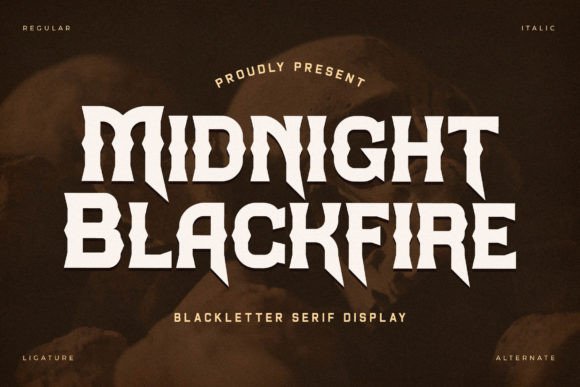
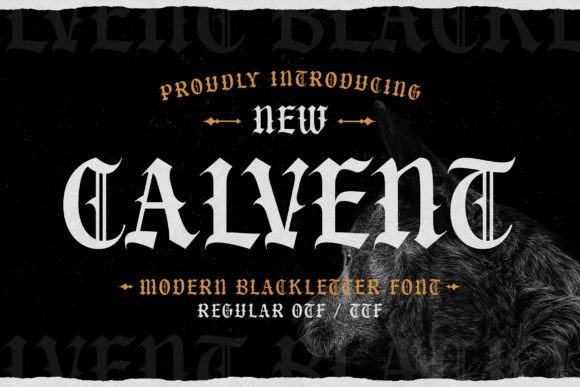
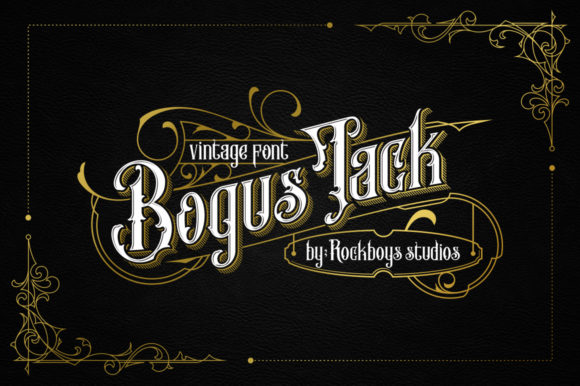
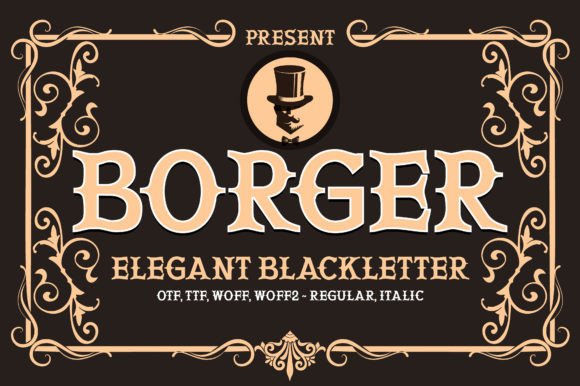
At its core, Borger is a serif font with deep roots in blackletter calligraphy, but it’s been refined for modern display use. Its letterforms are intricate, with sharp, chiseled edges and a high contrast between thick and thin strokes. This isn’t a font for body text; its complexity is its strength, meant to be seen large and up close. The personality it projects is one of tradition, craftsmanship, and a touch of the dramatic. It feels sturdy, authoritative, and slightly rebellious—perfect for designs that need to feel established yet edgy.
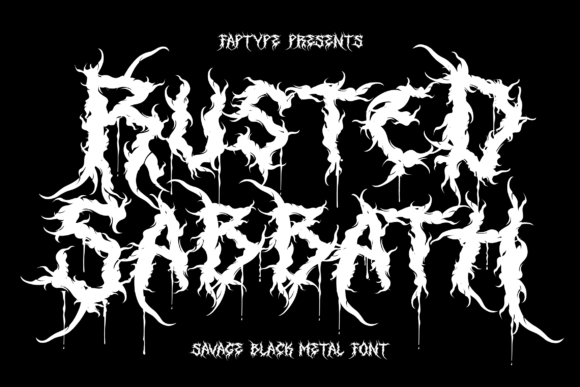
The initial design purpose of Borger was for packaging design, specifically for alcohol brands. You can easily see why. The font’s strong visual presence evokes a sense of heritage and quality, perfect for craft spirits or artisanal beers. However, its application has proven to be incredibly versatile. Its gothic undertones make it a natural fit for horror movie posters, Halloween event graphics, or any project with a dark, mysterious theme. It also translates surprisingly well to the branding of traditional barber shops, vintage signage, and even certain styles of music artwork, like for heavy metal or dark folk bands.
Where Borger Makes the Strongest Impact
Choosing a premium font like Borger is about more than just liking its look; it’s about understanding its role in your overall design assets. Its primary strength is as a display font for headlines, logos, and short, impactful text blocks. Here’s where it truly shines:
- Logo Design & Brand Identity: If you’re building a brand for a tattoo parlor, a vintage clothing line, a specialty coffee roaster with a rustic vibe, or a gaming studio focusing on fantasy or historical themes, Borger can form the core of a memorable brand identity. It instantly communicates a specific aesthetic.
- Packaging & Print Design: As noted, it’s built for this. Use it on labels, boxes, and bags to convey premium craftsmanship. It works exceptionally well for products like hot sauces, leather goods, beard oils, and craft sodas—anything where a handcrafted, bold statement is desired.
- Editorial & Poster Design: For editorial design in magazines or books dealing with history, fantasy, or thriller genres, Borger can create captivating chapter titles or cover headlines. It’s equally effective for film posters, event flyers for themed parties, or concert promotions.
- Digital & Social Media: While its detail requires careful use on screens, it can be a powerhouse for social media graphics when used at a large size. Think Instagram story headers, YouTube video thumbnails, or Twitch stream overlays that need a strong, thematic vibe.
Practical Guidance for Using Borger Effectively
Integrating a creative font like Borger into your projects requires a strategic approach to ensure it enhances rather than overwhelms. Here’s some practical advice from a design perspective.
Evaluating Project Fit and Readability
First, ask yourself: does the project’s theme align with Borger’s personality? It’s a poor choice for a children’s toy brand or a minimalist tech startup. But for anything requiring a strong, historical, or edgy feel, it’s a contender. Remember, its readability drops significantly at small sizes. Always use it for headlines or large logos, and pair it with a highly legible font for any supporting text. This is where font pairing becomes critical.
Mastering Font Pairings and Hierarchy
A classic and effective strategy is to pair Borger with a clean, simple sans serif font. The contrast allows the blackletter to be the star while ensuring body copy remains easy to read. Alternatively, pairing it with a subtle script font or handwritten font can create an interesting mix of old and new, formal and casual. The key is to establish a clear visual hierarchy: Borger for the main headline, a sans serif for subheadings, and another clean sans serif or serif for body text.
Reviewing Styles and Licensing
Before purchasing, check what styles are included. Does the typeface come with alternates, ligatures, or different weights? These extras can provide more flexibility and help you customize the look for different applications. Most importantly, understand the commercial font licensing. If you’re using it for a client project, a product for sale, or a business logo, you need the appropriate license. This is a non-negotiable part of professional modern typography practice.
Testing in Context
Never choose a font in isolation. Once you’ve shortlisted Borger, test it directly in your design mockups. See how it interacts with your color palette, imagery, and other typographic elements. Check its appearance on both light and dark backgrounds. This real-world testing is the only way to know if it will achieve the desired effect and support your brand perception goals.
In the end, Borger is more than just a font; it’s a statement. It’s a tool for designers, entrepreneurs, and creators who want to make a bold, unforgettable impression. Used thoughtfully, it can elevate a project from ordinary to extraordinary, providing that crucial dose of character and authority that captivates an audience.