Calvent: The Modern Blackletter Typeface for Bold Design
Finding a typeface that bridges historical weight and contemporary clarity is a rare win. Calvent is a premium font that reimagines the classic blackletter style. It keeps the sharp, angular energy of Gothic script but cleans up the legibility issues that often plague traditional versions. For designers, entrepreneurs, and content creators, this font offers a way to add instant sophistication and "edge" to a project without looking outdated.
Visual Style and Personality
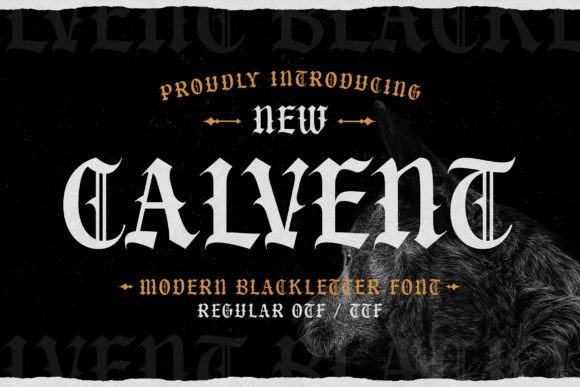
At its core, Calvent is a display font built for impact. It features bold strokes and distinct angles, creating a rhythm that feels both historical and industrial. Unlike the ornate, overly decorative blackletter fonts of the past, Calvent streamlines these elements. The result is a typeface that feels architectural and sturdy.
The personality of Calvent is confident and assertive. It does not whisper; it commands attention. When you look at the letterforms, you will notice a balance between thick and thin strokes that provides a high-contrast appearance. This makes it an excellent choice for logo design where you need a symbol to be memorable. It feels expensive and crafted, lending an air of authority to whatever text it graces.
Best Applications for Calvent
Because of its distinct visual presence, Calvent is not a body text font. It works best in short bursts where its details can be appreciated. Here are some practical scenarios where this creative font shines:
- Branding and Logo Design: If you are building a brand identity for a luxury streetwear label, a craft brewery, or a high-end barbershop, Calvent fits perfectly. It provides that "established" look that suggests tradition, but the modern styling keeps it relevant.
- Editorial and Packaging Design: Use Calvent for headlines in editorial design or on product packaging. For example, a blackletter style works surprisingly well on coffee bags, hot sauce labels, or album covers. It creates a strong shelf presence.
- Digital and Web Design: In the digital space, use Calvent for hero section headers or pull quotes. It pairs exceptionally well with clean sans serif fonts or minimalist serif fonts. The contrast between a decorative blackletter header and a simple body text creates a professional visual hierarchy.
- Social Media and Merchandise: For social media graphics, standing out is difficult. Calvent’s bold style stops the scroll. It is also ideal for merchandise like t-shirts, hats, and tote bags where typography is the main design element.
Strategic Impact on Design Projects
Choosing a font is a strategic decision, not just an aesthetic one. The typography you select signals your brand’s personality to the audience before they even read the words. Using Calvent influences your project in several ways:
- Visual Hierarchy: Because Calvent is so bold, it naturally anchors a layout. It draws the eye immediately, making it easy to separate headlines from subheadings and body copy.
- Brand Perception: Blackletter styles historically convey heritage, craftsmanship, and rebellion. By using Calvent, you tap into these associations. It tells your audience that you value quality and are not afraid to be bold.
- Readability vs. Legibility: It is important to understand the difference. Calvent is legible—you can identify the letters. However, at small sizes or in long paragraphs, readability decreases. Use it for headers to ensure your message is received clearly.
Practical Guidance for Using Calvent
To get the most out of this modern typography asset, consider these practical tips for your workflow:
- Mastering Font Pairing: The golden rule with complex display fonts is balance. If you use Calvent for your headline, pair it with a highly legible sans serif font (like Helvetica, Inter, or Roboto) for the body text. Avoid pairing it with script fonts or other handwritten fonts, as the visual noise will compete for attention.
- Spacing Matters: Blackletter fonts often benefit from tight tracking (letter-spacing) in headlines to create a solid block of text. However, ensure the letters do not touch in a way that obscures the forms. Test different sizes to see where the sweet spot lies.
- Evaluate the Weight: If Calvent comes with multiple weights or styles, test them. A slightly lighter weight might work better for smaller subheadings, while the heaviest weight is reserved for the main title.
- Check the License: Ensure you have the correct commercial font license for your specific use case. Whether you are using it for a client’s web design project or printing it on physical goods, verifying the licensing protects you and your client legally.
Ultimately, Calvent is a powerful tool in a designer's arsenal. It bridges the gap between the raw energy of street culture and the refined elegance of traditional calligraphy. When used thoughtfully, it elevates a design from generic to unforgettable.